

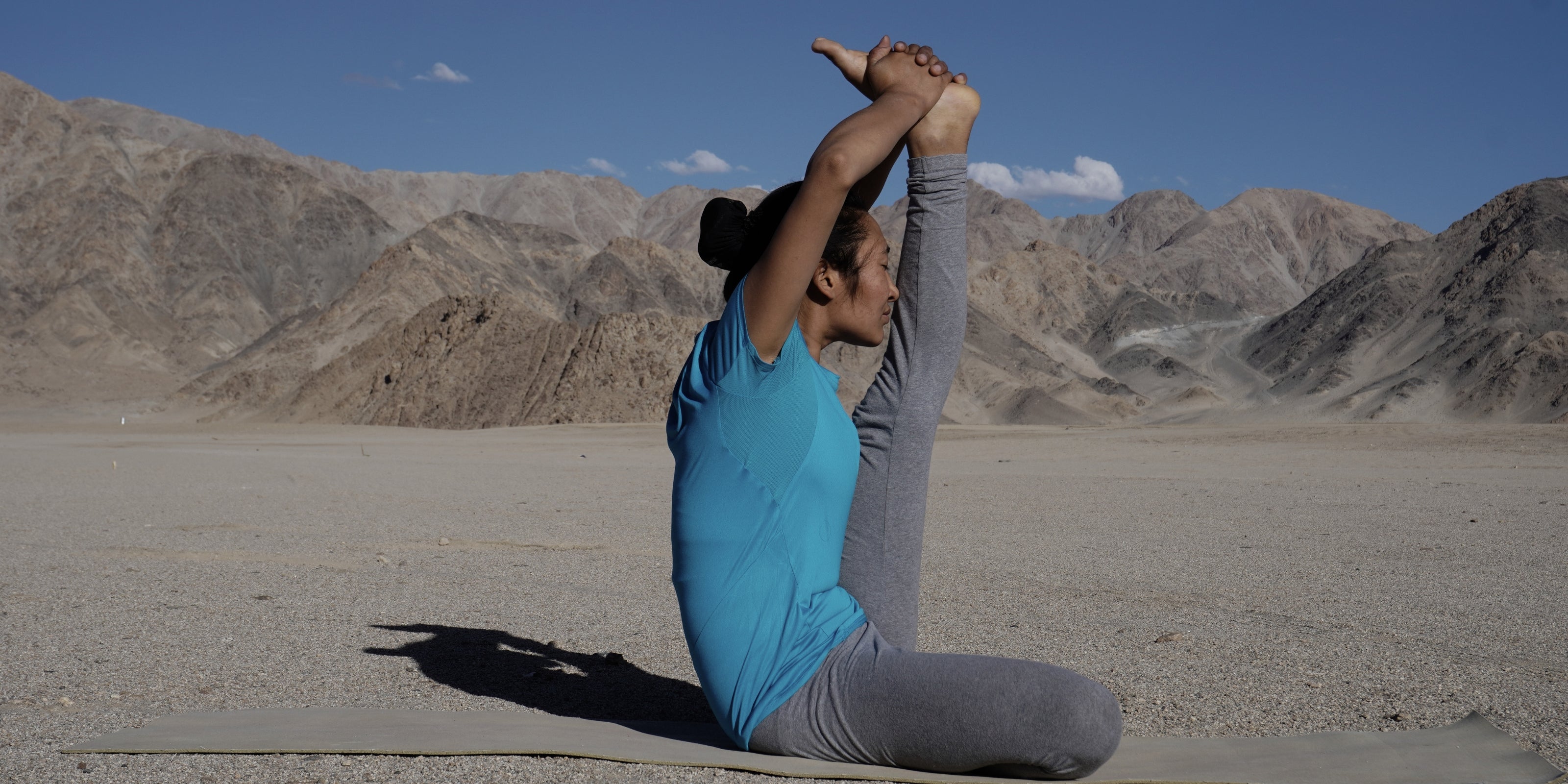
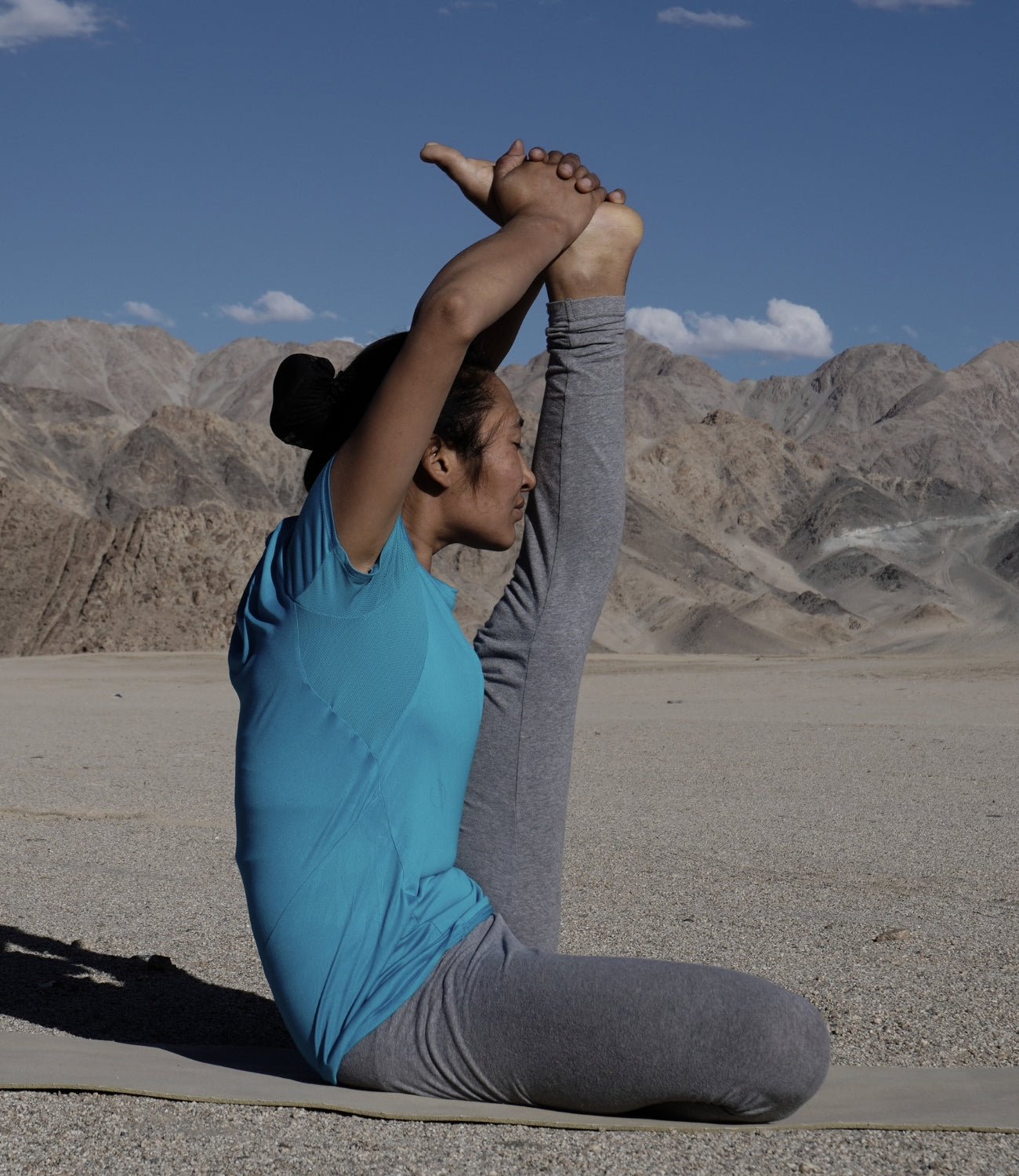
Yoga Darshana
Yoga Darshana: The Science of Conscious Evolution
Durga Prasad Maruwada
Yoga is often mistaken in the modern era as a mere physical discipline. However, in the context of Indian philosophy, it is known as Yoga Darshana—one of the six orthodox (astika) schools of thought. Derived from the root Yuj (to yoke or unite), it represents a sophisticated psychological and metaphysical system designed to liberate the human consciousness from suffering.
The Evolution of Yoga
The roots of Yoga trace back to the Vedic period, but it existed as a fragmented collection of oral traditions, ascetic practices, and meditative techniques for centuries. Its evolution can be categorized into four distinct eras:
- Pre-Classical Yoga: Mentioned in the Rig Veda and expanded upon in the Upanishads, where the focus was on the internal sacrifice and the realization of the Self (Atman).
- Classical Yoga: Marked by the advent of Maharishi Patanjali (circa 2nd century BCE to 4th century CE), who systematized scattered practices into the Yoga Sutras. This period defined Yoga as a dualistic philosophy (Samkhya-based).
- Post-Classical Yoga: A shift toward the physical body as a temple. This era gave birth to Hatha Yoga, focusing on longevity and the awakening of energy (Prana).
- Modern Yoga: Beginning in the late 19th century with Swami Vivekananda’s address in Chicago, Yoga evolved into a global phenomenon, blending traditional philosophy with physical fitness and stress management.
The Vision and Applicability
The core vision of Yoga Darshana is Chitta Vritti Nirodhah—"the cessation of the fluctuations of the mind”. It posits that our natural state is one of pure, untainted awareness (Purusha), but we are currently blinded by the "colorings" of our ego and thoughts.
Applicability in the 21st Century: Yoga remains profoundly relevant because it addresses the timeless problem of the "monkey mind." In an age of digital distraction and chronic stress, its tools offer:
- Emotional Regulation: Through breathwork and detachment.
- Cognitive Clarity: By reducing mental "noise."
- Holistic Health: Integrating the nervous system with physical movement.
The Process of Transformation in Patanjali’s Yoga Sutras
Transformation in the Patanjali tradition is not a linear event but a multi-dimensional refinement of the human instrument. This is primarily achieved through the Ashtanga Yoga (Eight-Limbed Path).
1. Physical Transformation (Annamaya)
While Patanjali spends little time on complex poses, Asana (Posture) is the third limb. Its purpose is to create a "steady and comfortable" body.
- The Shift: The body evolves from a source of distraction (stiffness, pain, restlessness) into a stable vessel for meditation. Physical health is viewed as a prerequisite for deep mental work.
2. Psychological and Mental Transformation (Manomaya)
This is the heart of the Yoga Sutras. Patanjali describes five types of mental fluctuations (Vrittis) that cause us to live in a state of delusion.
- Pranayama (Breath Control): Acts as the bridge between the body and mind, stabilizing the nervous system.
- Pratyahara (Withdrawal): The senses are turned inward, breaking the addictive cycle of external stimulation.
- The Shift: The practitioner moves from "Reactive Mind" (controlled by habits and triggers) to "Observed Mind." You stop identifying with your thoughts and start seeing them as passing clouds.
3. Intellectual and Discernment Transformation (Vijnanamaya)
As the mind quiets, Dharana (Concentration) and Dhyana (Meditation) sharpen the intellect.
- Viveka Khyati: This is the development of "discriminative discernment." The practitioner begins to distinguish between the "Seer" (the soul) and the "Seen" (the ego, the body, the world).
- The Shift: Transformation here involves the thinning of the Kleshas (afflictions), such as ignorance, egoism, and attachment.
4. Spiritual Transformation (Anandamaya)
The culmination of the process is Samadhi—a state of intense concentration where the distinction between the meditator and the object of meditation dissolves.
- The Shift: This is the transition from Individual Consciousness to Pure Consciousness. The practitioner achieves Kaivalya (Liberation), realizing they are not the changing mind or body, but the eternal, unchanging awareness.
"Yoga is not about self-improvement; it is about self-discovery. It is the journey of the self, through the self, to the self." — An adaptation of the Bhagavad Gita's wisdom.
By addressing the gross (body) and moving toward the subtle (spirit), Yoga Darshana provides a complete roadmap for human evolution, turning a chaotic internal life into a masterpiece of stillness and clarity.
In summary, Yoga Darshana is a set of well-defined processes and guidelines, to journey towards Purusha, moving through all the 24 elements as described in Sankya Darshana. It is a journey from the grossest (physical body) to the subtlest Conscious state (unmanifest).
And this possibility exists with only the humans, and no other species. The human body has the most amazing workmanship of the all the 25 elements at their best play.